Local Business Websites: How to Attract Customers from Google
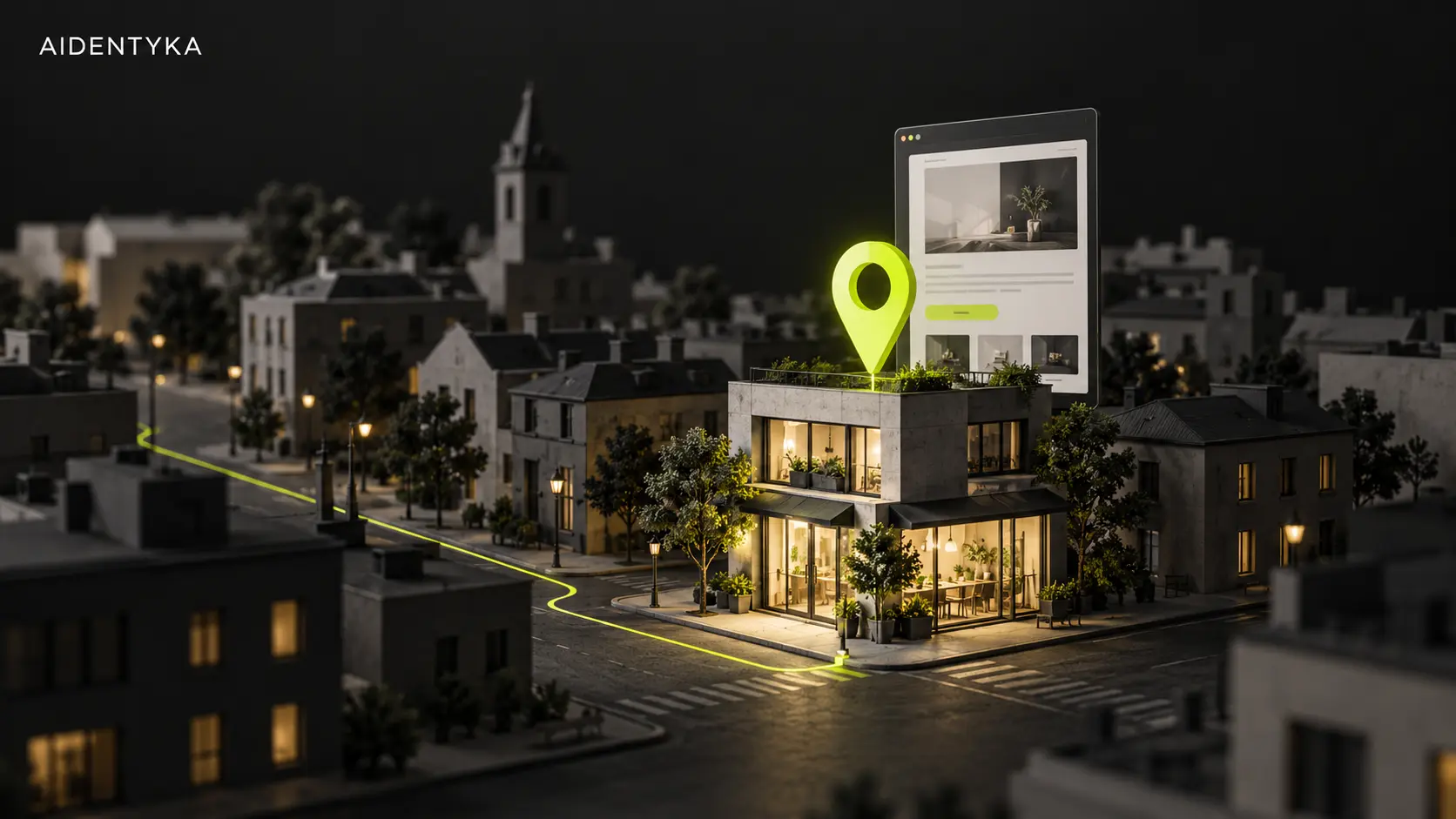
A local business website needs to answer three questions: can this company solve my problem, does it serve my area, and how do I get in touch? For a salon, cleaning company, workshop or home improvement business, clear answers help turn a search for a service into a useful enquiry.
Service business website design works best when the site structure, search intent and enquiry process are planned together. This guide takes you from choosing pages and keywords to connecting Google Business Profile, improving the mobile experience and measuring actual enquiries. Use it when planning a new website or reviewing an existing one.
How customers find a local business
People may be looking for a particular service, comparing providers or searching for a company they already know. “Post-renovation cleaning in Lviv”, “how much does a deep clean cost” and a company name represent different stages of that decision. A single general page may not answer all of them well.
Give each channel a clear job. A business profile helps people check the location, opening hours and reviews. The website explains the scope of a service, shows examples and sets expectations. Your team clarifies the details and confirms the booking. Conflicting contact details, prices or service areas create unnecessary work for a potential customer.
Start with one priority: a service you can reliably deliver within a clearly defined area. This gives you something specific to describe, photograph and evaluate instead of building a website around a vague promise to do everything.
Which pages does a service business website need?
The differences between your services should determine the size of the website. A focused landing page may be enough for one narrow offer. Services with different audiences, processes and pricing usually need more room to explain themselves.
- Homepage: what you do, who you help, where you work and the next step a visitor can take.
- Main service pages: scope, limitations, how to book and the factors that affect the price.
- Projects or case studies: the actual task, work completed, photographs and verified outcomes.
- About page: the team, experience and facts a prospective customer can check.
- Contact page: current phone number, booking method, opening hours and a real address or service area.
A blog supports this structure by answering questions people have before they book. An article about preparing a property for cleaning can link to the relevant service. The service page explains how to hire you; the article helps someone understand and prepare for the work.
Our Goodwin Windows case study illustrates how a catalogue and service information can work together. It is a structural example from our portfolio, rather than a claim about a particular number of Google enquiries.
What to include on an individual service page
Consider a hypothetical cleaning company offering post-renovation cleaning. Instead of saying “quality services at the best price”, explain which surfaces are cleaned, whether window cleaning is included, who supplies the equipment and what the property owner needs to prepare.
Show what affects the quote: floor area, condition, access to water, difficult residues and additional tasks. If you advertise a starting price, state the conditions it covers. If photographs or an inspection are needed before you can quote, explain this next to the enquiry button.
Add real photographs, a short description of the process and answers to common questions. A salon might explain appointment length and preparation; a renovation business might describe measurements and approvals; a transport company might explain routes and luggage arrangements. Use authentic reviews and project evidence.
End with a specific action such as “Send photos for an estimate”, “Check appointment availability” or “Discuss a site visit”. The wording should reflect what your team will actually do after the enquiry arrives.
Choose keywords by intent, not repetition
Collect phrases from customer conversations, messages and the queries available in Search Console. Include the everyday words customers use for your services. Then group the searches by intent: booking, pricing, comparison or preparation.
- “Post-renovation cleaning Lviv” belongs on a relevant service page if that is an area you actually serve.
- “What is included in a deep clean” could be answered in a useful section or a dedicated explanatory article.
- “Website design for a cleaning company” is a search for a web development partner, not for a cleaner.
That last example matters when planning content. A cleaning business wants people who need cleaning; an agency article about building its website wants business owners. Mixing both audiences into the same keyword list can make the purpose of a page unclear.
Use the main topic in the page title and opening explanation. Let headings describe genuine questions about scope, pricing, location and preparation. Google recommends using the words people search with and making links crawlable. Repeating an exact phrase a fixed number of times does not replace a useful answer.
Connect your website and Google Business Profile
Google Business Profile is for eligible businesses that meet customers in person or travel to them. An online-only business without that interaction is not eligible. Use the real business name and accurate address or service area; do not present an address as a public office if customers are not received there. See Google’s business representation guidelines.
Check that the website and profile agree on contact details and opening hours. Add an appropriate website or booking link, current photos and useful service information. Invite honest customer feedback and respond to reviews constructively.
According to Google’s explanation of local ranking, local results depend on relevance, distance and prominence. Visibility can therefore differ between neighbourhoods. A complete profile and website do not guarantee the top map position.
Describe real service areas and choose useful languages
Clearly name the towns or neighbourhoods where you can fulfil bookings. Explain travel charges, limitations and how customers can check their address where relevant. This helps prevent enquiries from places outside your working area.
A dedicated location page is useful when it offers something specific: a real team or service area, local projects, relevant conditions and contact information. Creating many nearly identical pages with only the town name changed can become doorway abuse, covered in Google’s spam policies.
Choose website languages around the people you serve. For a business in Poland or Germany, Ukrainian or English content does not replace Polish or German for customers searching in the local language. Translate forms, service conditions and confirmation messages as well as sales copy. The language switcher should open the corresponding page, not send visitors back to the homepage.
Build the technical foundations for local SEO
Before promoting the website, check that important pages load correctly and can be indexed. Write a clear SEO title and a distinct meta description for each page, consistent with its visible content. If you are replacing an older site, preserve useful URLs or redirect them to the appropriate new pages.
Make priority pages accessible through navigation and connect relevant articles to services. Use appropriately sized images. Avoid making the first screen depend on a large video unless that video helps a customer choose. Test real mobile tasks: reading the conditions, opening the menu, making an enquiry and recovering from a form error.
Using WordPress does not automatically provide local SEO for service businesses. Structure, content, technical condition and ongoing work all matter. Our technical SEO and website optimization service explains this work in more detail.
Make the next step clear and dependable
Put decision-making information close to the action: what the service includes, how pricing works and what happens after the click. Ask only for the details needed to provide an initial response. Your team can collect more information during the conversation.
Test the whole enquiry journey. A “thank you” message alone is not enough: the enquiry must reach the responsible person with the correct contact details. If a button opens a messenger, confirm that it reaches the intended conversation or bot. If booking happens in another service, check the confirmation and return journey.
Agree who responds, what makes an enquiry suitable and how a booking is recorded. Do not promise a five-minute response unless the team can support it. Reliable follow-up is a practical part of conversion, alongside the design of the button itself.
Measure customers from Google, not just clicks
Separate search visibility from business outcomes. Search Console reports impressions and clicks for the queries available in its reports. Website analytics helps describe visitor actions. A CRM or enquiry register records confirmed enquiries, appointments and payments.
- Search impression: your page appeared in results, but the person may not have opened it.
- Website visit: someone reached the site; this is not yet a booking intention.
- Phone or messenger click: an attempt to make contact, not a confirmed conversation.
- Received enquiry: a message or booking actually reached the business.
- Customer: an enquiry progressed to an agreed service or payment.
Do not count every Telegram click as a lead. A confirmed enquiry event needs a reliable signal from the form, booking system or bot. Compare equivalent periods and consider seasonality. More visits without suitable enquiries can point to the wrong content topics or an unclear offer.
A practical plan for the first month
- Week 1: choose the priority service, audience and geography. Gather recurring questions, authentic photographs and service conditions.
- Week 2: prepare the main pages, useful copy and a clear next step. Align your business profile information if the company is eligible.
- Week 3: check mobile layouts, forms, enquiry delivery, indexing access and internal links.
- Week 4: review search queries and enquiries. Add answers to real customer questions, remove obstacles and choose the next priority.
This is a way to organise the work, not a promise of rankings or customers within a month. A new website may initially have very little data. Use accumulated observations rather than reacting to a single day.
Frequently asked questions
Can Instagram or Google Maps replace a website?
They can generate enquiries for some businesses. A website becomes useful when you need to explain several services, show projects, organise bookings and publish helpful content. Choose its features to solve specific limitations in your current customer journey.
How much does a local business website cost?
The cost depends on the number of services, design, content preparation, languages, forms and booking integrations. Describe the required pages and workflows to get a meaningful estimate. Agree separately on maintenance and development after launch.
Can a service business attract customers without paid ads?
Organic search can be a source of enquiries, but it requires useful pages, technical accessibility and time to develop visibility. Demand, competition and reputation vary by market. Paid advertising can complement this channel when its economics make sense.
Does every service need a separate page?
A separate page makes sense when the service has distinct demand and enough useful information of its own: process, conditions, examples and questions. Very similar options may be better explained together on one strong page.
What if the website exists but receives few enquiries?
Check the sequence: visibility for relevant searches, clicks, clarity of the offer and the contact process. For a more detailed diagnosis, read our guide to why a website is not generating leads.
Planning a website for your business?
AIDENTYKA provides WordPress website development, design and improvements to existing sites. We start with your services, location, customers and enquiry process so that the structure and scope can be agreed around the business.
Explore AIDENTYKA’s case studies, request an initial website audit or tell us about your project on Telegram.